SEARCHING FOR TRACES
Last week we had a visit from Benjamin Sanz. This professional explores and studies Iberian mammals. He is a pioneer in this practice and has introduced it in a professional way to the peninsula. He has trained several generations of forest rangers, as well as Biology and Veterinary students at various universities. First and second year students of the Higher Education Cycle have also been learning to identify and distinguish traces with him for several years.
This year, the students took a 2-day course: on the first day, during the theoretical introduction, they worked on identifying and distinguishing the remains of mammals that we can find in the Basque Country, analyzing the behavior of mammals, etc. On the second day, they went on a field trip to identify remains on the Andatza mountain. Among other things, they found wild boar, roe deer, badger and fox droppings, badger toilets and dens, etc. Here are some of the photos taken during the trip:
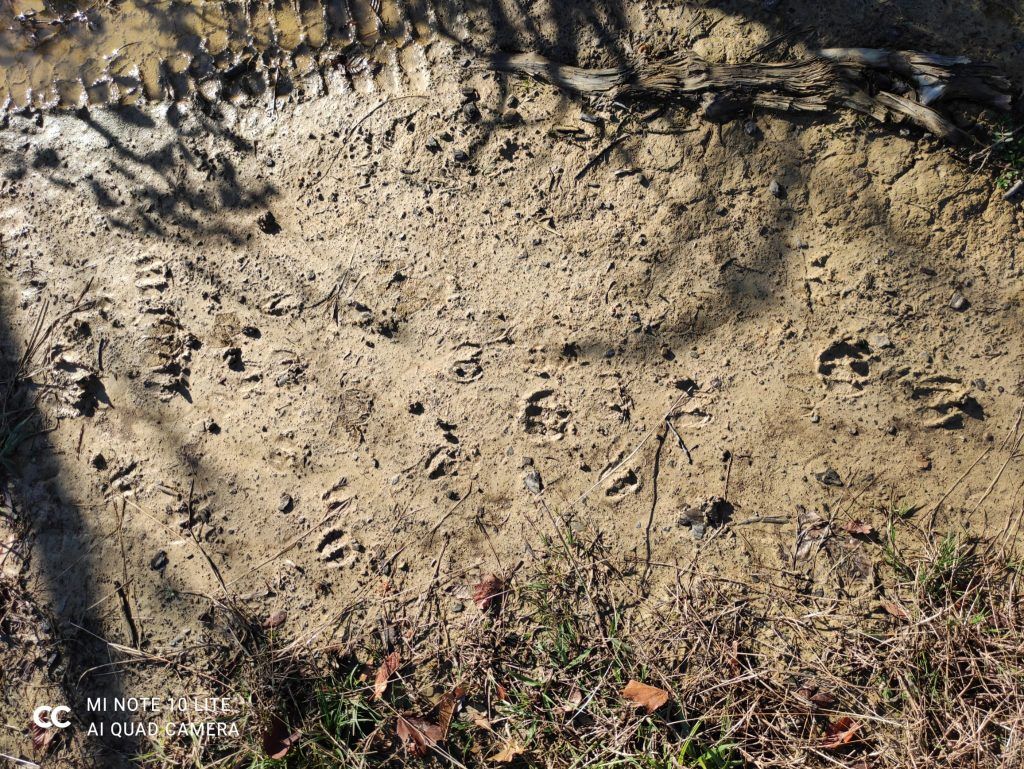
In photo 1, the remains of various types of animals (wild boars, roe deer, badgers, etc.) can be seen in a passage.
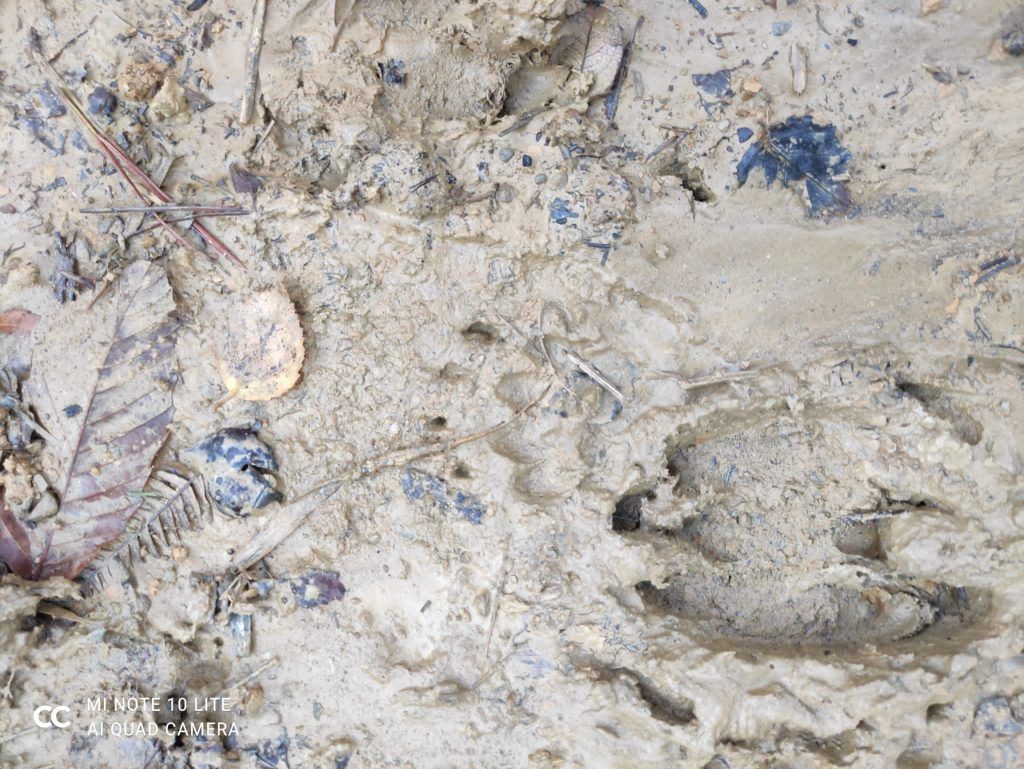
In photo 2, there are wild boar and badger tracks, next to each other.
In photo 3, we can see the traces of a badger’s front and hind legs, almost overlapping due to the way it moves.
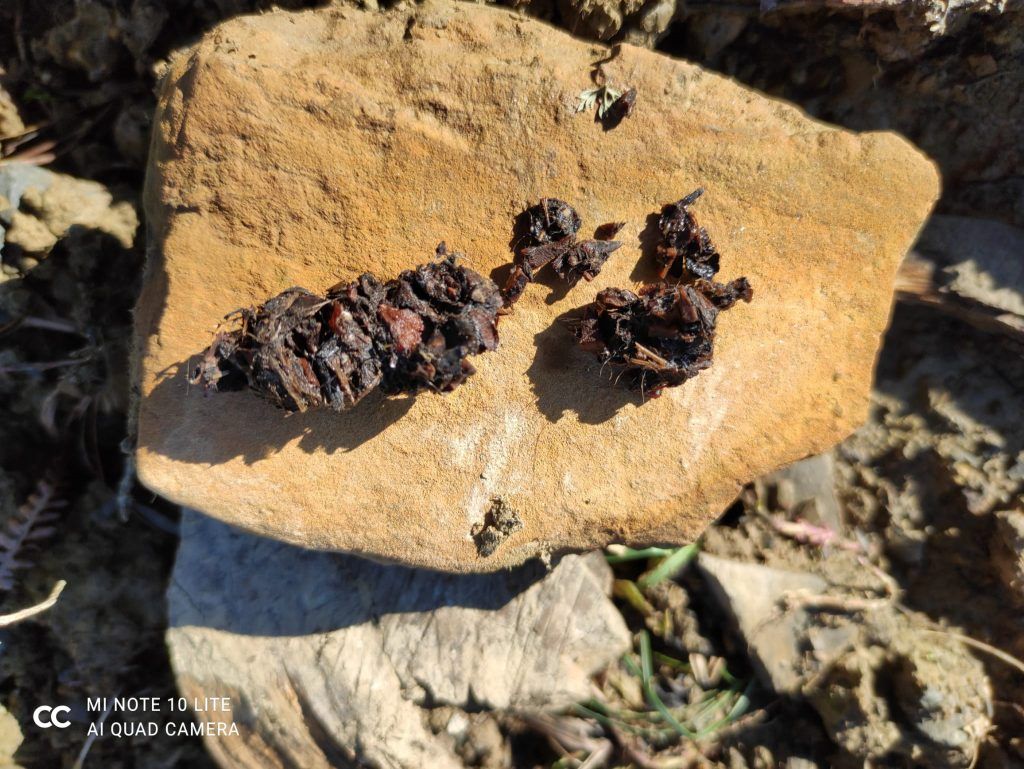
In photo 4, you can see some fox droppings, in a high place, as male foxes do.
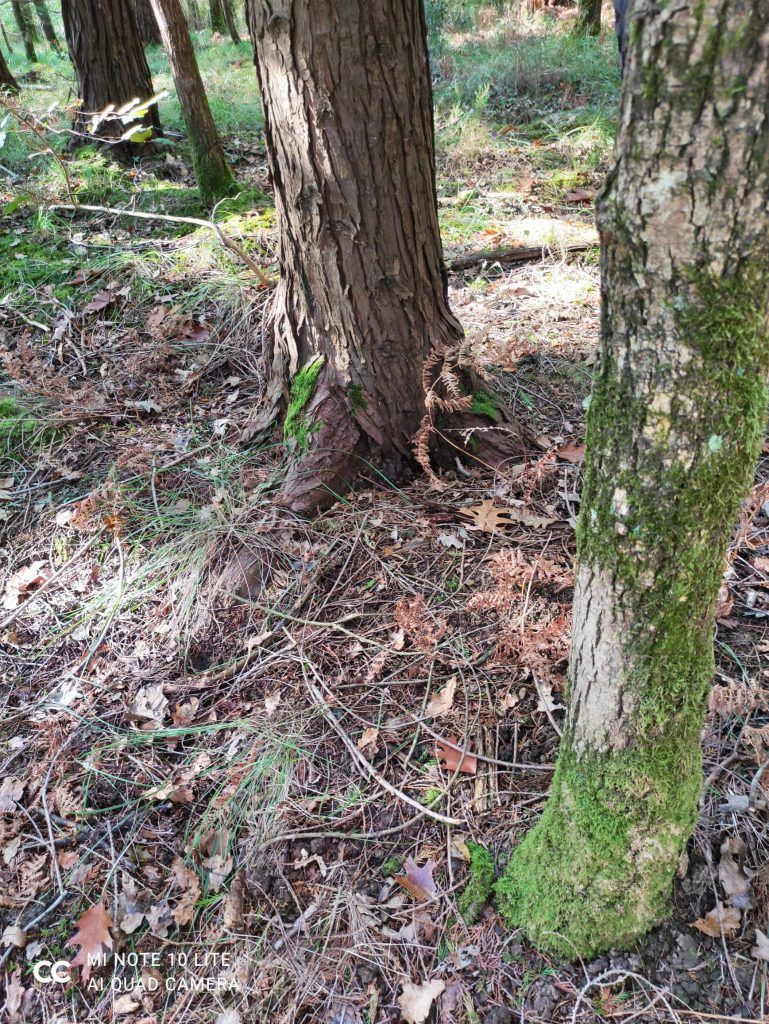
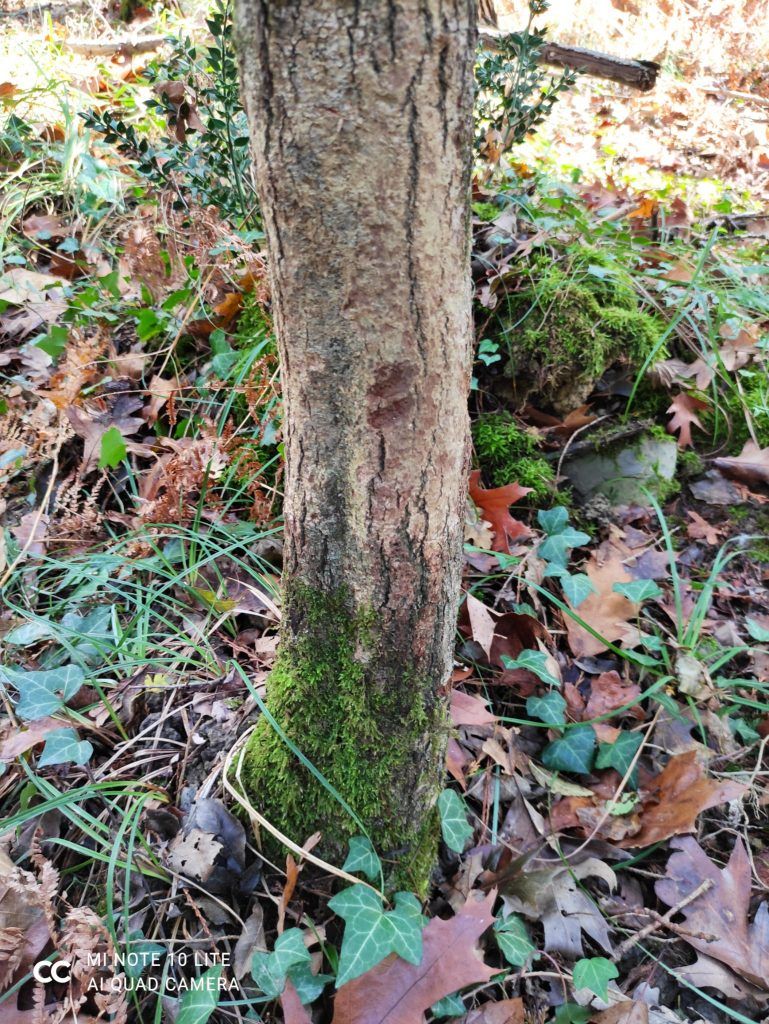
In photo 5, the erosion of the bark of a tree is visible, which is used by wild boars to scratch.
In photo 6, the marks of a wild boar’s tusks are visible on the bark of a tree.
The experience has been very enriching for the students. From now on, they will pay more attention to their mountain hikes.

1. footprints in a passageway / footprints in a passageway 2. wild boar and badger tracks / huellas de jabalí y tejón 3. traces of a badger / footprints of a badger 4. fox droppings / fox droppings 
5. wear and tear of the bark of a tree 6. the marks of the tusks of a wild boar / marcas de los colmillos de un jabalí